
It’s all about story.
Humans are wired for story. Our brains think in cause + effect, and our minds constantly scan for connections. We are meaning-making machines who love a beginning, middle, and end.
When we understand this as writers, our drafts come alive. And when we master this as memoirists, our books get read.
My goal as a developmental editor is to help you organize your story for maximum impact. Together we’ll:
Center your memoir with theme
Shape a coherent structure
Layer the narrative with tension
Complete character arcs
Enrich your scenes with detail
Borrowing from conventional storytelling techniques, we will craft a memoir that reads like fiction.

Craft your story with purpose.
Developmental editing is like seeing your draft from 30,000 feet. Together we’ll peer down at your story and analyze its shape and structure.
What’s working well?
What needs strengthening?
Where are the gaps?
Is there enough tension?
Using my five-step framework for mapping your memoir, we’ll clarify your theme, tighten your narrative structure, and infuse your scenes with life. You’ll leave our sessions feeling clear, inspired, and energized.
Gain clarity and momentum.
Think of our sessions as book coaching, story consulting, and developmental editing all in one. I’ll read up to 20 pages of your draft prior to meeting and provide feedback in our 1:1 session.
You’ll leave the session with a clear checklist of what to change, what to keep, and how to approach the rest of your book.
Want additional support?
Simply schedule another session, and submit more pages. We’ll work our way systematically through your story.
The Memoir Map Method
The Memoir Map is a five-part process I created for shaping lived experience into a coherent, compelling story.
Using the Memoir Map, we’ll orient your story, decide what belongs on the page, and shape a narrative that moves with clarity, momentum, and purpose.

THE FIVE PARTS OF THE MEMOIR MAP

Orient
Orientation gives the story its internal compass and helps every later decision make sense. You begin by clarifying the emotional center of the book. This includes identifying the central question, the core themes, and the ideal reader.

Select
Selection brings focus, helping the narrative feel intentional and curated. In this phase, you choose the moments, memories, and scenes that serve the story’s purpose. This the checklist you’ll build your chapters from.

Shape
Structure creates safety and trust with the reader. At this point the story takes on a clear arc. You build a beginning, middle, and end that track emotional movement and change over time.

Enliven
This phase brings the story fully onto the page. You deepen scenes with specificity, dialogue, sensory detail, and clear timelines. The goal is presence and immediacy, helping the reader feel oriented inside the experience.

Review
This is the cooling off period. You step back and read with distance and perspective. This is where clarity sharpens. Loose threads are addressed, narrative turns are strengthened, and the story is refined with the reader in mind.
The reader is the secret ingredient.
The Memoir Map lays the path, but the reader is the compass.

The reader is that invisible force beyond the fourth wall. When you consider their experience, their questions, and their need to know more, you understand what path to lay next in your story.
When I read pages for my clients, I do so first as a reader versus an editor. Instead of scouring the page for plot points and scene structure, I notice my feelings, my niggling curiosities, the places in the narrative where I feel frustrated or let down. I’m taking the ride and scanning the landscape for potholes.
As a writer, this is the ultimate cheat code.
Meet your guide.
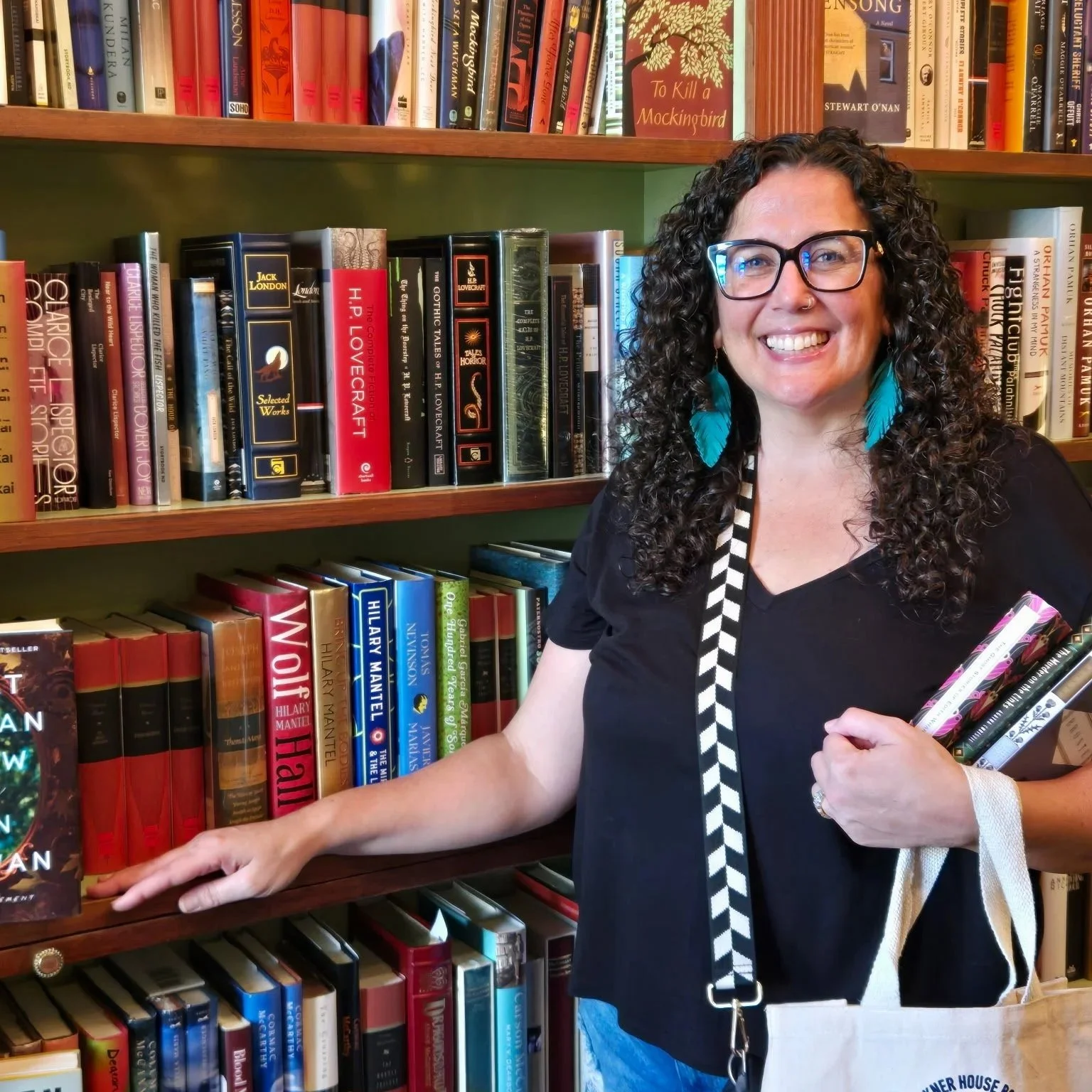
My background is in story.
I earned a degree in Film Studies from the University of Texas at Austin (Hook ‘em!) and have spent my career honing my understanding of narrative structure and story. I see life through the lens of catalysts, midpoints, and character arcs and can talk your ear off about the Save the Cat plotting method.
I am a 5/1 Manifesting Generator in Human Design and a longtime student of To Be Magnetic. I believe that meditation, authenticity, and self-awareness are the secret weapons of great writers, and I love working with women who feel called to tell their story and know the power of having an experienced guide.
I genuinely look forward to every session I have with my clients, and I love, love, LOVE talking with you about your story. My favorite moment when working with new clients is that first meeting when I’ve read your pages and that rush of joy, disbelief, and excitement comes over you as it lands that someone has read your draft. I would bottle that feeling if I could.
Reach out to begin a conversation. We’ll talk through where you are with your draft and how I can support you.